Avery Vogel · 21 September 2026
Unpacking how shared digital asset exchanges reshape participation rhythms in specialized online collectives
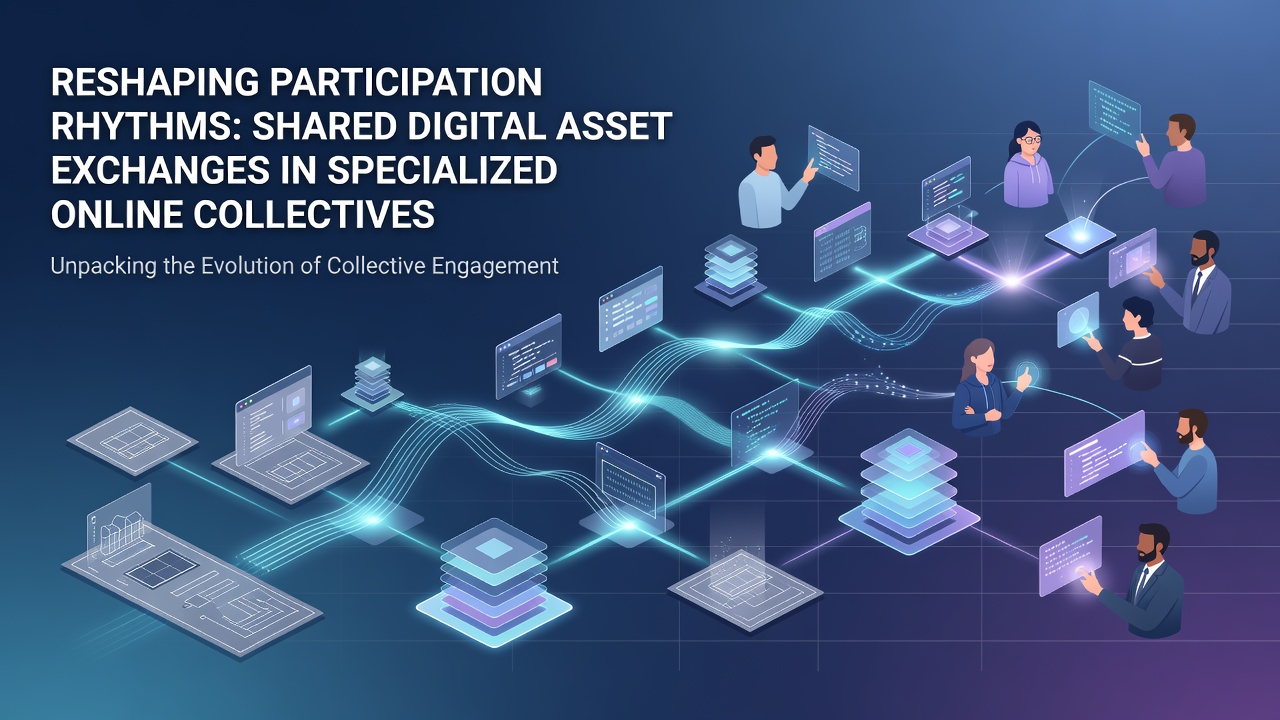
Shared digital asset exchanges operate within specialized online collectives by allowing members to trade tokens, NFTs, and other blockchain-based items directly tied to group activities, and these platforms alter the timing and frequency of member engagement in measurable ways. Data from industry reports shows that participation often shifts from scheduled events to continuous, asynchronous interactions because trading markets run around the clock without the constraints of traditional forum hours or game server resets.
Mechanics of Asset Exchange in Niche Communities
Specialized collectives, such as decentralized autonomous organizations focused on digital art or gaming guilds centered on rare item collection, integrate shared exchanges through smart contracts that distribute ownership stakes among participants. Researchers at academic institutions have documented cases where token holders gain voting rights or access privileges that encourage repeated logins to monitor market fluctuations rather than single-session contributions. According to figures from the Australian Securities and Investments Commission, trading volumes in community-specific assets increased notably between 2023 and 2025, correlating with extended daily activity windows that stretch across multiple time zones.
These exchanges function by pooling liquidity from collective members, which creates incentives for users to check prices during off-peak personal hours and adjust their involvement accordingly. Observers note that members who previously contributed content only during evening community calls now log in at varied intervals to execute trades or respond to price alerts sent through integrated notification systems.
Observed Shifts in Participation Patterns
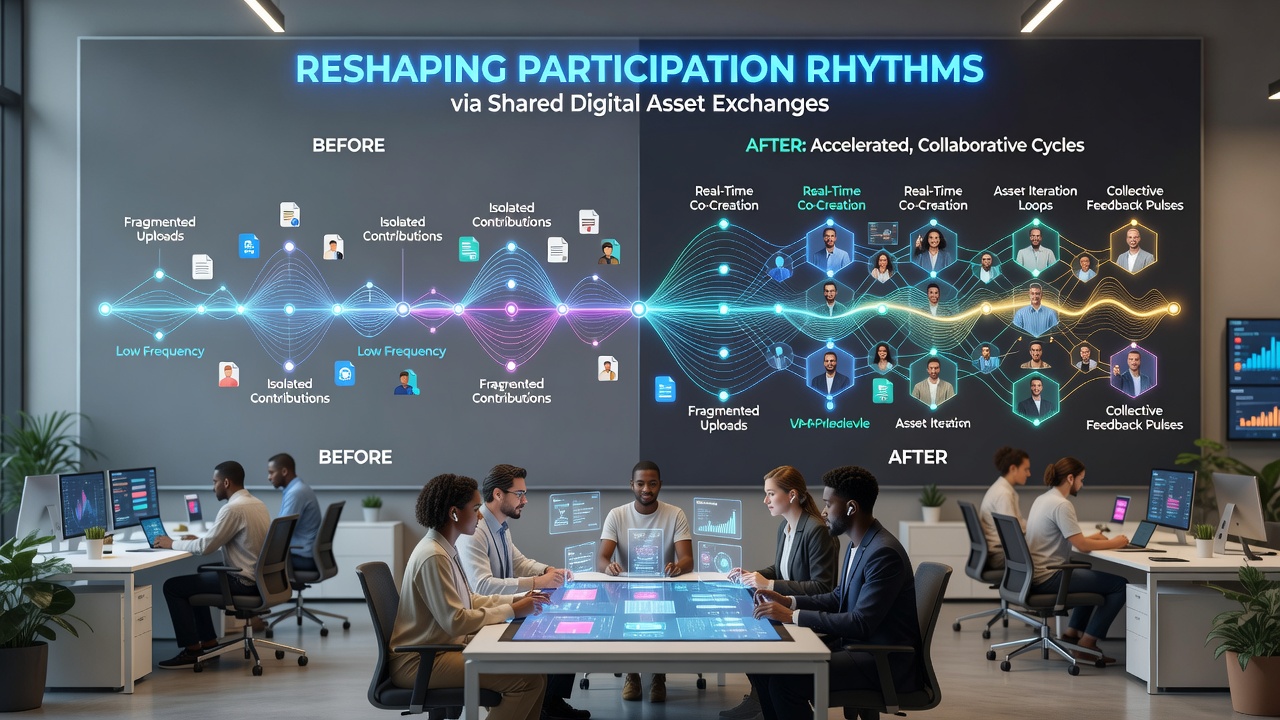
Studies conducted by research groups tracking online behavior indicate that rhythm changes appear in both frequency and duration of sessions. Short, frequent check-ins replace longer, planned gatherings when asset values fluctuate rapidly, while periods of market stability allow members to reduce activity without losing standing in the group. One analysis of DAO participation logs revealed that average daily touchpoints per user rose by 35 percent after exchange features launched, yet total time spent per week remained stable because interactions became more targeted.
But here's the thing: the introduction of shared trading tools also synchronizes activity around external events such as token unlocks or partnership announcements scheduled for specific dates. In September 2026, several collectives plan coordinated asset distributions tied to regulatory updates from the European Commission on digital finance frameworks, which observers expect will create temporary spikes in logins as members review holdings ahead of compliance deadlines.
Regional Regulatory Influences on Collective Dynamics
Government bodies in different regions shape these rhythms through policy announcements that affect asset liquidity and accessibility. The Monetary Authority of Singapore published guidance in 2025 outlining licensing requirements for platforms handling community tokens, prompting collectives to adjust trading windows to align with compliance reporting cycles. Meanwhile, Canadian authorities at the Ontario Securities Commission have examined how tokenized membership rights intersect with securities laws, leading some groups to implement staggered participation schedules that accommodate review periods.
Industry organizations such as the Blockchain Association have compiled datasets showing that regulatory clarity in one jurisdiction often prompts collectives to migrate assets, which in turn redistributes member attention across new time zones and market hours. Those who track these migrations report that engagement peaks migrate accordingly, creating ripple effects in discussion volume and collaborative output within the affected groups.
Case Examples from Established Collectives
Take one research project that examined a virtual environment collective managing shared NFT resources for environmental simulation projects; after integrating an exchange layer, members shifted from weekly synchronized builds to ongoing asset reallocations that occurred whenever market signals indicated undervaluation. Figures reveal that retention metrics held steady, but the distribution of active hours spread more evenly across the 24-hour cycle. Another instance involves a North American research collective focused on open-source hardware where token trades tied to contribution bounties encouraged micro-participation during work breaks rather than dedicated evening blocks.
What's interesting is how these patterns interact with existing social norms: collectives that once relied on real-time voice channels for coordination now supplement them with asynchronous trade confirmations, reducing the pressure for simultaneous presence while maintaining accountability through on-chain records.
Conclusion
Shared digital asset exchanges continue to influence participation rhythms by embedding continuous market signals into the operational fabric of specialized online collectives. Evidence from regulatory filings, academic tracking studies, and platform analytics demonstrates consistent adjustments in login timing, session length, and activity clustering around both internal events and external policy milestones. As new frameworks emerge in regions such as the European Union and Asia-Pacific, these collectives adapt their engagement structures to accommodate liquidity requirements and reporting obligations without disrupting core collaborative functions.